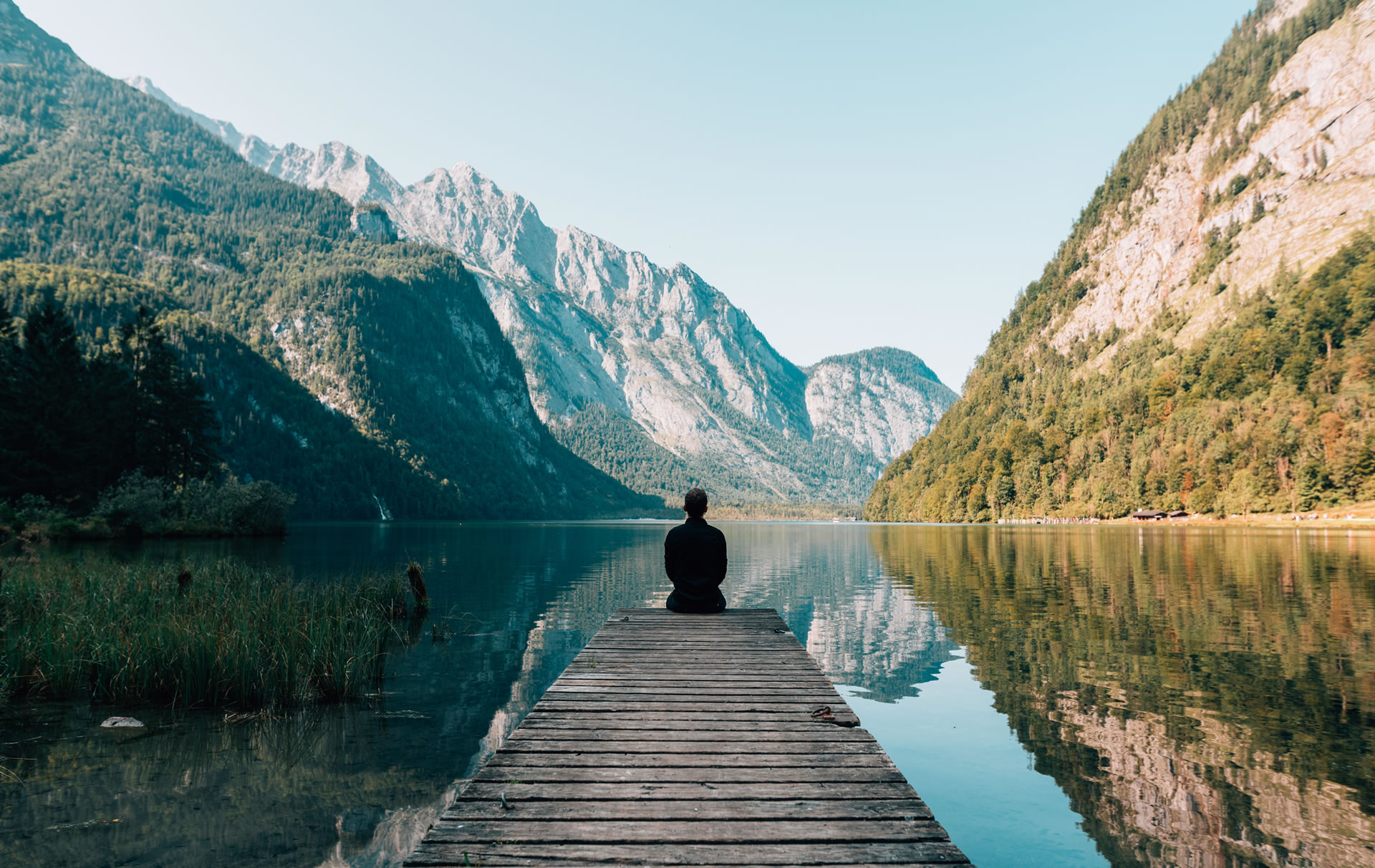

- Consider exploring destinations with skyhills and unforgettable outdoor experiences
- The Geological Foundations of Skyhill Landscapes
- The Role of Weathering and Erosion
- Flora and Fauna of Elevated Terrains
- Endemic Species and Biodiversity Hotspots
- Recreational Opportunities in Skyhill Regions
- Responsible Tourism and Environmental Stewardship
- Cultural Significance and Historical Connections
- Looking Ahead: Future Challenges and Conservation
Consider exploring destinations with skyhills and unforgettable outdoor experiences
The allure of elevated landscapes has captivated humankind for centuries. There's a unique sense of freedom and perspective gained from standing amongst the rolling contours of skyhills, a term evoking images of serene beauty and boundless horizons. These aren’t necessarily towering, jagged peaks, but rather gentler, more welcoming undulations that invite exploration and contemplation. The appeal stretches beyond mere aesthetics; it’s a connection to nature, a physical challenge, and a mental escape all rolled into one. From leisurely rambles to challenging hikes, the promise of breathtaking views and tranquil surroundings draws adventurers and peace-seekers alike.
These landscapes offer a remarkable range of experiences. They are often associated with biodiversity, harboring unique flora and fauna adapted to the altitude and climate. The changing light across these hills throughout the day creates a dynamic spectacle, offering new perspectives with every passing hour. Beyond the visual splendor, areas characterized by these formations frequently boast rich cultural histories, from ancient settlements to traditional agricultural practices shaped by the terrain. Exploring these regions provides an opportunity not just to witness natural beauty, but also to engage with the stories and legacies of those who have lived amongst them.
The Geological Foundations of Skyhill Landscapes
The creation of these picturesque vistas is a fascinating interplay of geological forces spanning millennia. Unlike mountains forged by tectonic plate collisions, skyhills are frequently products of erosion, uplift, and depositional processes. Glacial activity, wind erosion, and the relentless flow of water all contribute to carving out these rounded, undulating forms. The underlying rock formations play a key role; softer sedimentary rocks tend to erode more readily, creating gentler slopes, while harder igneous or metamorphic rocks can result in more prominent ridges. Understanding the geological history of a region is crucial to appreciating the landscape’s evolution and its distinctive characteristics. The strata often reveal a story of ancient seas, volcanic activity, and shifting landmasses, providing a tangible connection to deep time.
The Role of Weathering and Erosion
Weathering, the breakdown of rocks, is the initial stage in the formation of skyhill terrain. This can be physical, like freeze-thaw cycles that crack rocks, or chemical, like rainwater dissolving limestone. Erosion then carries away the weathered material, sculpted by wind, water, and ice. The specific climate heavily influences the rate and type of erosion. Areas with abundant rainfall experience more rapid fluvial erosion, leading to deep valleys and rounded hills. Conversely, arid regions are shaped by wind erosion, creating dramatic sandstone formations and vast plains. The constant interplay of these forces is what defines the ever-changing beauty of these landscapes.
| Erosion Agent | Dominant Landscape Feature |
|---|---|
| Water (Rivers & Rain) | Rounded hills, deep valleys, canyons |
| Wind | Sand dunes, sculpted rock formations, mesas |
| Ice (Glaciers) | U-shaped valleys, cirques, moraines |
| Temperature Fluctuations | Rock fractures, scree slopes |
The table above highlights the key impacts of different erosional forces. Recognizing these patterns is essential for comprehending how specific skyhill regions were formed and how they continue to evolve over time. Preservation efforts often focus on mitigating the impacts of human activities that accelerate erosion, such as deforestation or unsustainable agricultural practices.
Flora and Fauna of Elevated Terrains
Skyhill environments support a diverse array of plant and animal life, adapted to the unique challenges of altitude, exposure, and climate. Plant communities often exhibit distinct vertical zonation, with different species thriving at different elevations. Lower slopes may be covered in forests, gradually transitioning to grasslands and alpine meadows at higher altitudes. These ecosystems are often characterized by resilient species capable of withstanding harsh conditions, such as strong winds, intense sunlight, and fluctuating temperatures. The types of vegetation significantly influence the animal life, providing food and shelter for a variety of creatures. Understanding these ecological relationships is vital for conservation efforts.
Endemic Species and Biodiversity Hotspots
Many skyhill regions are recognized as biodiversity hotspots, meaning they harbor a disproportionately high number of endemic species – plants and animals found nowhere else on Earth. This is often due to the isolation of these habitats, which prevents gene flow and allows unique evolutionary pathways to develop. Studying these endemic species is crucial for understanding the broader patterns of biodiversity and for prioritizing conservation measures. Threats to these fragile ecosystems include habitat loss, climate change, and the introduction of invasive species, requiring careful management and protection strategies to ensure their long-term survival.
- Unique plant adaptations include deep root systems for water access.
- Animal adaptations include thicker fur coats for warmth.
- Certain bird species exhibit altitudinal migration patterns.
- Insect life often supports pollination of alpine flowers.
The list above illustrates some of the common adaptations observed in skyhill ecosystems. These adaptations highlight the remarkable resilience of life in challenging environments and the intricate connections between species and their surroundings.
Recreational Opportunities in Skyhill Regions
The scenic beauty and unique character of skyhills make them popular destinations for a wide range of outdoor activities. Hiking and trekking are perhaps the most common pursuits, offering opportunities to explore the landscape at a leisurely pace or embark on challenging multi-day adventures. Mountain biking provides a thrilling way to traverse trails, while rock climbing attracts those seeking a more adrenaline-fueled experience. Beyond these, skyhill regions often lend themselves well to activities like horseback riding, birdwatching, and nature photography. The appeal extends throughout the year, with different seasons offering distinct experiences, from wildflower blooms in the spring to vibrant fall foliage.
Responsible Tourism and Environmental Stewardship
As the popularity of skyhill destinations grows, it’s essential to promote responsible tourism practices that minimize environmental impact and benefit local communities. This includes adhering to Leave No Trace principles, such as packing out all trash, staying on marked trails, and respecting wildlife. Supporting local businesses and engaging with the local culture can also contribute to sustainable tourism. Furthermore, educating visitors about the unique ecological and cultural values of these regions is crucial for fostering a sense of stewardship and ensuring their preservation for future generations. Careful planning and mindful behavior are key to enjoying these landscapes without compromising their integrity.
- Plan ahead and prepare for changing weather conditions.
- Stay on marked trails to avoid damaging vegetation.
- Pack out all trash and leave no trace of your visit.
- Respect wildlife and maintain a safe distance.
- Support local businesses and communities.
Following these simple steps can significantly reduce the negative impacts of tourism and contribute to the long-term sustainability of skyhill environments. Responsible travel allows us to enjoy these remarkable landscapes while protecting them for others to appreciate for years to come.
Cultural Significance and Historical Connections
For millennia, skyhill regions have held cultural and historical significance for human populations. They have served as sources of resources, defensive strongholds, and sacred spaces. Many indigenous cultures have deep spiritual connections to these landscapes, incorporating them into their mythology, rituals, and traditional practices. Evidence of past settlements, such as ancient ruins and terraced fields, can often be found scattered across the hillsides, offering glimpses into the lives of those who came before. Understanding this historical context adds another layer of appreciation to the beauty and complexity of these regions.
Preserving these cultural landscapes is as important as protecting the natural environment. Archaeological sites require careful excavation and conservation, while traditional ways of life should be supported and celebrated. Engaging with local communities and learning about their history and culture can enrich the visitor experience and promote mutual understanding. The stories embedded within these landscapes offer valuable insights into the human relationship with nature and the enduring power of cultural heritage.
Looking Ahead: Future Challenges and Conservation
The future of skyhill landscapes faces a number of challenges, including climate change, habitat fragmentation, and increasing human pressure. Rising temperatures and altered precipitation patterns are impacting vegetation zones, threatening endemic species, and increasing the risk of wildfires. Expanding infrastructure, such as roads and ski resorts, can fragment habitats and disrupt ecological processes. Addressing these challenges requires a collaborative approach involving governments, conservation organizations, local communities, and individual citizens. Protecting these environments isn't just about preserving scenic views—it's essential for maintaining biodiversity, regulating water resources, and mitigating the impacts of climate change.
Innovative conservation strategies are needed to safeguard these fragile ecosystems. These may include establishing protected areas, restoring degraded habitats, promoting sustainable land-use practices, and mitigating climate change impacts. Supporting research and monitoring efforts is crucial for understanding the changing dynamics of these landscapes and for informing effective conservation policies. By working together, we can ensure that future generations have the opportunity to experience the beauty and wonder of these remarkable skyhill regions and benefit from the invaluable ecosystem services they provide.